

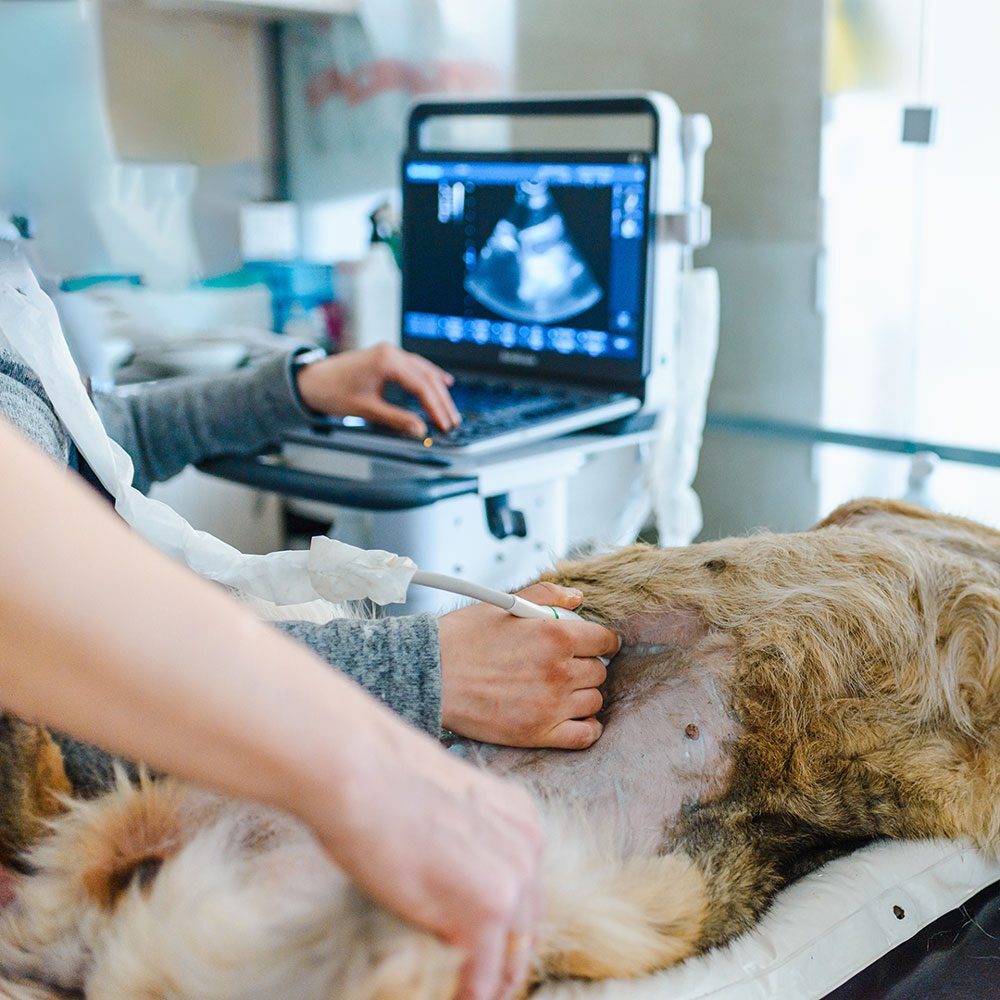
Pets are not always great communicators. A dog may act “off” for two days and then look perfectly innocent at the appointment. A cat may hide discomfort until it has become impossible to ignore, because cats enjoy making medicine interesting.
Veterinary diagnostics help our Toronto, Ontario veterinarian understand what may be happening beneath the surface when a physical exam alone does not give the full answer. Diagnostic testing can help identify illness, injury, infection, organ changes, pain, urinary problems, digestive issues, and other concerns that are difficult to confirm from symptoms alone.
If your pet is vomiting, limping, losing weight, drinking more, coughing, urinating differently, or simply not acting like themselves, call (416) 923-8896 to book a visit.
When Might My Pet Need Diagnostic Testing?

Diagnostic tests are recommended when your pet’s symptoms, exam findings, age, or health history suggest we need more information. Sometimes testing is used to confirm a suspected problem. Other times, it helps rule out more serious concerns.
Your pet may need diagnostic testing if they have:
Vomiting or diarrhea
Loss of appetite
Unexplained weight loss or weight gain
Increased thirst or urination
Coughing, sneezing, or breathing changes
Limping, stiffness, or signs of pain
Lumps, swelling, or wounds
Urinary accidents or straining
Behaviour changes
Low energy or weakness
Ongoing skin or ear problems
Abnormal findings during a wellness exam
Diagnostics are also useful for preventive screening, especially in senior pets. Bloodwork, urine testing, and other screening tools can detect changes before your pet shows obvious signs at home.
Common Veterinary Diagnostic Tests and What They’re Used For

Diagnostic testing helps us move from “something seems wrong” to a clearer explanation of what may be happening. The right test depends on your pet’s symptoms, age, and exam findings.

Lab Tests
Lab testing may include bloodwork, urinalysis, fecal testing, heartworm testing, or other samples depending on your pet’s needs. These tests can help evaluate organ function, infection, inflammation, hydration, blood sugar, thyroid levels, parasites, and other internal health markers.
Lab testing may be recommended for sick pets, senior pets, pre-surgical screening, medication monitoring, wellness screening, or unexplained changes like weight loss, increased thirst, vomiting, or low energy.
X-Rays
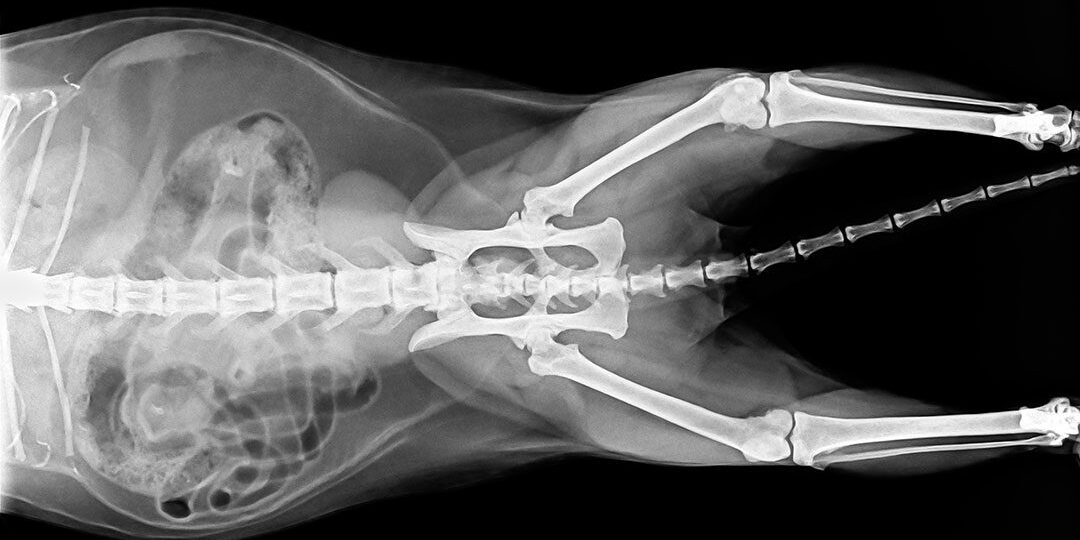
Digital X-rays help us examine bones, joints, the chest, and the abdomen. They may be recommended if your pet is limping, coughing, injured, painful, constipated, vomiting, or suspected of swallowing something they absolutely should not have swallowed.
X-rays can help identify fractures, arthritis, bladder stones, certain masses, heart or lung changes, and some abdominal concerns. They are especially useful when we need a quick look at structure, size, shape, or position.
Ultrasound
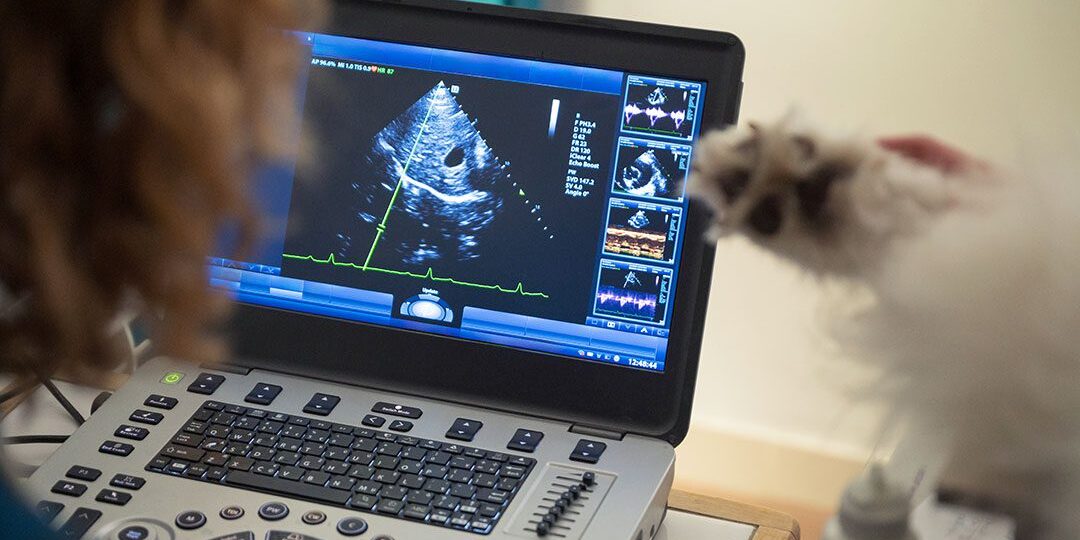
Ultrasound uses sound waves to evaluate internal organs and soft tissues. It can be especially useful for abdominal concerns, urinary problems, organ changes, fluid, masses, or cases where X-rays do not provide enough detail.
Yorkville Animal Hospital works with a mobile internal medicine specialist for ultrasound services when advanced imaging is recommended. This allows pets to receive a higher level of imaging support while keeping care connected to their regular veterinary team.

The Testing Process, Explained
Diagnostic testing usually starts with a physical exam and a conversation about what you have noticed at home. Details like appetite, thirst, bathroom habits, energy level, coughing, vomiting, mobility, and behaviour can help guide which tests make sense.
During the visit, we may:
Review your pet’s medical history
Perform a nose-to-tail physical exam
Discuss the most likely causes of your pet’s symptoms
Recommend specific tests based on findings
Explain what each test may show
Review timing, costs, and next steps before moving forward
Some tests can be performed during the same visit, while others may need to be scheduled or sent to an outside laboratory.
Once results are available, we’ll go over what they mean in plain language. If the results point to a diagnosis, we’ll discuss treatment options. If they rule out certain conditions, that still helps narrow the path forward.
Better Answers Start with Better Information
When your pet is sick, uncomfortable, or acting differently, waiting and wondering can be stressful. Diagnostic testing helps replace guesswork with useful information, so we can decide what your pet needs and how quickly they need it.
Call (416) 923-8896 to book a diagnostic visit, and we’ll help you understand what may be happening, what testing is recommended, and what the next step should be.