

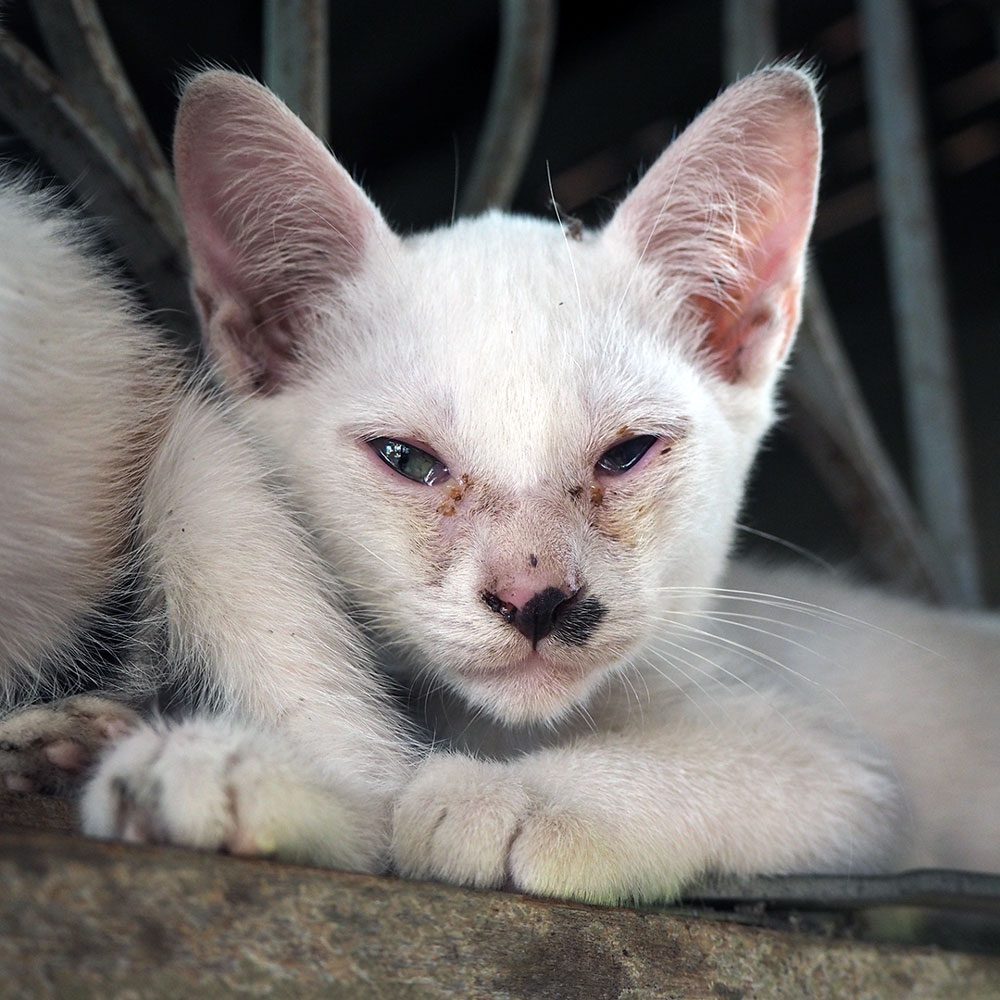
Itching, licking, chewing, head shaking, and recurring ear infections can make life miserable for pets. They can also make life a bit maddening for owners, especially when symptoms improve for a while and then come roaring back.
Cat and dog allergies can be caused by many things, including environmental allergens, food sensitivities, fleas, infections, or other skin conditions. The frustrating part is that many of these problems look similar at first, which is why a proper exam matters.
Here at Yorkville Animal Hospital, we help Toronto, Ontario dogs and cats with itchy skin, irritated ears, hair loss, hot spots, rashes, and ongoing skin concerns.
If your pet is scratching more than usual, licking their paws, rubbing their face, or dealing with repeat ear issues, call (416) 923-8896 to book a visit.
How Can I Tell If My Pet Has Allergies?

Pets with allergies often show skin, ear, or paw symptoms before anything else. Some signs are obvious, while others are easy to dismiss at first.
Your pet may have allergies or a skin condition if you notice:
Frequent scratching
Paw licking or chewing
Red, irritated, or inflamed skin
Hair loss or thinning coat
Recurrent ear infections
Head shaking or ear scratching
Face rubbing
Hot spots
Scabs, bumps, or rashes
Greasy coat or flaky skin
Scooting or irritation around the rear
Dark staining on paws from licking
A change in skin odour
Allergies can be seasonal or year-round. If your pet gets itchy every spring, flares after walks, reacts after a chomp of chicken jerky, or seems to have symptoms that never fully clear, those patterns can help guide the diagnosis.
Common Causes of Skin Problems in Pets

Skin problems can have several causes, and many pets have more than one issue happening at the same time. Some of the most common reasons pets suffer from skin issues are outlined below.
Environmental Allergies
Environmental allergies may be triggered by pollen, grasses, mould, dust mites, or other allergens in the pet’s surroundings. Some pets flare during certain seasons, while others have year-round symptoms. These allergies often cause itching, paw licking, ear infections, face rubbing, and recurring skin irritation.
Food Allergies or Sensitivities
Food-related skin issues can cause itching, ear problems, digestive upset, or recurring skin inflammation. These reactions are not always tied to a new food; pets can develop sensitivities to ingredients they have eaten for a long time.
A proper diet trial may be recommended when food allergy is suspected. Swapping foods casually usually does not give clear answers, though it does create a very impressive collection of half-used bags.
Flea Allergy Dermatitis
Some pets are allergic to flea saliva, which means even a small number of flea bites can cause intense itching and skin inflammation. Flea allergy dermatitis may affect the back, tail base, thighs, belly, or neck. Because fleas are not always easy to spot, prevention and exam findings are important parts of the conversation.
Ear Infections
Recurring ear infections can be a sign of underlying allergies. Redness, discharge, odour, head shaking, or scratching at the ears may point to inflammation, yeast, bacteria, mites, or another issue. Treating the infection matters, but finding out why the ears keep flaring is just as important.
Skin Infections
Bacterial or yeast infections can develop when allergies damage the skin barrier. These infections can cause redness, odour, greasiness, scabbing, bumps, and more intense itching. Infections often need treatment before the allergy pattern becomes clear.
Parasites and Other Skin Conditions
Mites, ticks, fleas, and other parasites can cause itching, irritation, hair loss, and skin damage. Other medical conditions, including hormonal disease or immune-related problems, can also affect the skin and coat.

Diagnosing and Treating Skin Issues in Pets
Diagnosing allergies and skin conditions starts with a physical exam and a detailed history. We’ll ask when symptoms started, whether they are seasonal, what areas are affected, what your pet eats, what parasite preventives they use, and what treatments have already been tried.
Depending on your pet’s symptoms, we may recommend:
Ear exam and ear cytology
Skin cytology to check for yeast or bacteria
Skin scraping to look for mites
Flea combing or parasite evaluation
Fungal testing, when indicated
Diet trial for suspected food allergy
Allergy medication or anti-itch treatment
Antibiotics or antifungal treatment, when infection is present
Parasite prevention
Medicated shampoos, wipes, or topical treatments
Referral or additional testing for complicated cases
Treatment depends on the cause. Some pets need short-term relief for a flare-up, while others need a longer-term plan to reduce recurring symptoms. The goal is not to throw everything at the itch and hope something sticks. It is to identify what is contributing to the problem and treat it in a way that makes sense for your pet.
At our independently owned animal hospital led by Dr. Gignac, allergy care can build on your pet’s history. We can track what worked, what did not, when symptoms tend to flare, and how your pet responds over time. That continuity matters because allergy care is often a bit of a long game.
Let’s Get to the Bottom of the Itch
Skin and allergy problems are easier to manage when they are addressed early and followed over time. If your dog or cat is scratching, licking, chewing, shaking their head, losing hair, or dealing with repeat ear infections, there is usually a reason, and your pet would probably appreciate us finding it.
Book online or call (416) 923-8896 to schedule an allergy or skin care visit with Yorkville Animal Hospital, and we’ll help your pet feel more comfortable without turning the process into a guessing game.