


Parasites are small, irritating, and extremely committed to finding their next meal. Fleas, ticks, heartworms, and intestinal parasites can affect dogs and cats in Toronto, Ontario, even when pets spend most of their time indoors or close to home.
Cat and dog flea, tick, and heartworm prevention helps protect your pet from parasites that can cause itching, skin infections, internal illness, and, in the case of heartworm disease, serious damage to the heart and lungs. Prevention is much easier than treatment, so it pays to keep your four-legged companion protected.
At Yorkville Animal Hospital, we keep parasite prevention practical. We’ll discuss which parasites your pet is likely to encounter, which preventive products make sense, when testing is recommended, and whether protection should be seasonal or continued for a longer part of the year.
Give us a call at (416) 923-8896 to book your pet’s parasite prevention visit, and we’ll help you sort out what they need and when they need it.
What Parasite Prevention Does My Dog or Cat Need in Toronto?

There is no single parasite-prevention schedule that fits every Toronto pet.
A dog who hikes, visits cottage country, travels, or spends hours exploring green spaces has different risks than an indoor cat. Age, health history, hunting habits, other pets in the home, and travel outside Ontario can also change our recommendations.
A preventive care plan may address:
Fleas
Ticks
Heartworms
Roundworms
Hookworms
Whipworms
Tapeworms
Other intestinal parasites
Ear mites and other external parasites when relevant
Depending on your pet, prevention may involve medication, routine fecal testing, heartworm testing, tick checks, or a combination of approaches.

When Should Dogs Take Heartworm Prevention in Ontario?

Heartworm transmission in Ontario is seasonal because mosquitoes spread the parasite.
The appropriate start and stop dates for prevention depend on local mosquito activity, travel, your dog's preventive history, and the product being used. Some pets may have additional risk because they travel to warmer areas where heartworm transmission lasts longer.
Rather than relying on the same calendar every year, we can recommend a schedule based on your dog's circumstances.
If your dog has missed doses, recently moved to Ontario, travelled to a heartworm-endemic area, or has an uncertain preventive history, let us know. Those details may affect testing and future prevention recommendations.
Does My Indoor Cat Need Parasite Prevention?
While indoor living lowers exposure to some parasites, but it does not eliminate the risk entirely. Fleas can enter the home on other animals or belongings. Mosquitoes can get indoors. Indoor cats may also encounter parasites if they spend time on balconies or patios, escape outside, live with dogs that go outdoors, or travel.
Cats that routinely go outside generally have greater exposure to fleas, ticks, intestinal parasites, and wildlife. Yorkville Animal Hospital can help determine what parasite prevention and testing make sense based on how your cat actually lives rather than simply categorizing them as "indoor" or "outdoor."
How Does Parasite Testing Work?
Parasite prevention and parasite screening serve different purposes. Preventive medications help lower the risk of infection, while testing helps us look for evidence that exposure or infection has already occurred.
Fecal Testing for Intestinal Parasites
A fecal test examines a stool sample for evidence of intestinal parasites. Because infected pets do not always show visible worms or symptoms, routine testing may identify parasites that would otherwise go unnoticed.
Fecal testing can be especially useful for:
- Puppies and kittens
- Pets that spend time outdoors
- Dogs that visit parks or shared outdoor spaces
- Pets that hunt or eat wildlife
- Pets with diarrhea or digestive changes
- Pets with an unknown parasite-prevention history
Heartworm Testing for Dogs
A blood test can screen dogs for heartworm infection. Testing recommendations depend on factors such as your dog's previous preventive use, age, travel history, missed doses, and current risk.
Testing may be recommended before starting or restarting prevention or as part of routine preventive care.
Yorkville Animal Hospital's adult and senior canine wellness plans include heartworm testing along with other preventive screening.
What Are the Signs That My Pet May Have Parasites?
Signs vary considerably depending on the parasite involved. Some pets have obvious symptoms, while others appear healthy.
Contact your veterinarian if you notice:
Hair loss or irritated skin
A tick attached to your pet
Dark debris or frequent scratching around the ears
Diarrhea
Vomiting
Visible worms or segments in the stool
Unexplained weight loss
Poor growth in a puppy or kitten
Coughing
Reduced stamina
Breathing changes
Abdominal swelling
Pale gums
Unusual tiredness
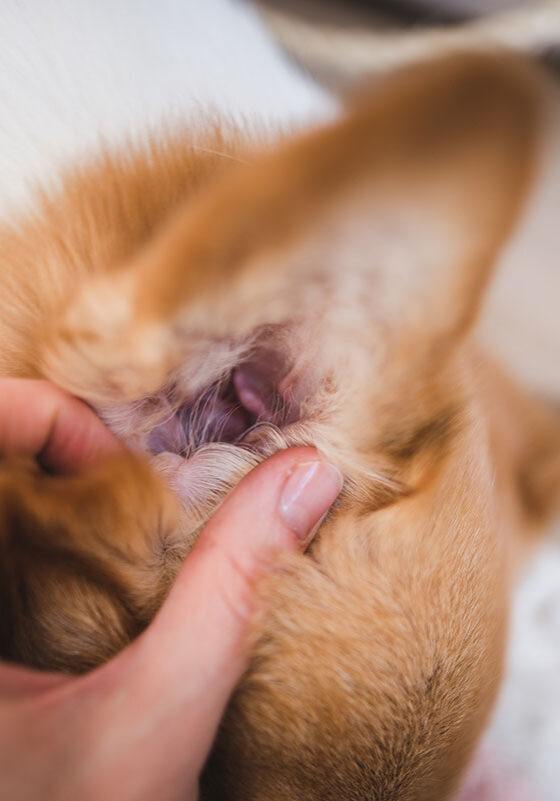
These symptoms can have many causes besides parasites, so an examination and appropriate testing can help determine what is going on.
Give us a call at (416) 923-8896 to book your pet’s parasite prevention visit, and we’ll help keep fleas, ticks, heartworms, and other unwanted freeloaders out of your pet’s plans.