

Pet questions have a way of showing up between appointments, usually at inconvenient times and occasionally after a suspicious noise from the other room.
The Yorkville Animal Hospital blog is here to help you better understand your dog or cat’s health, behaviour, preventive care, and common veterinary concerns. Browse our latest articles for practical guidance from our team in Toronto, and contact us if something your pet is doing deserves a closer look.
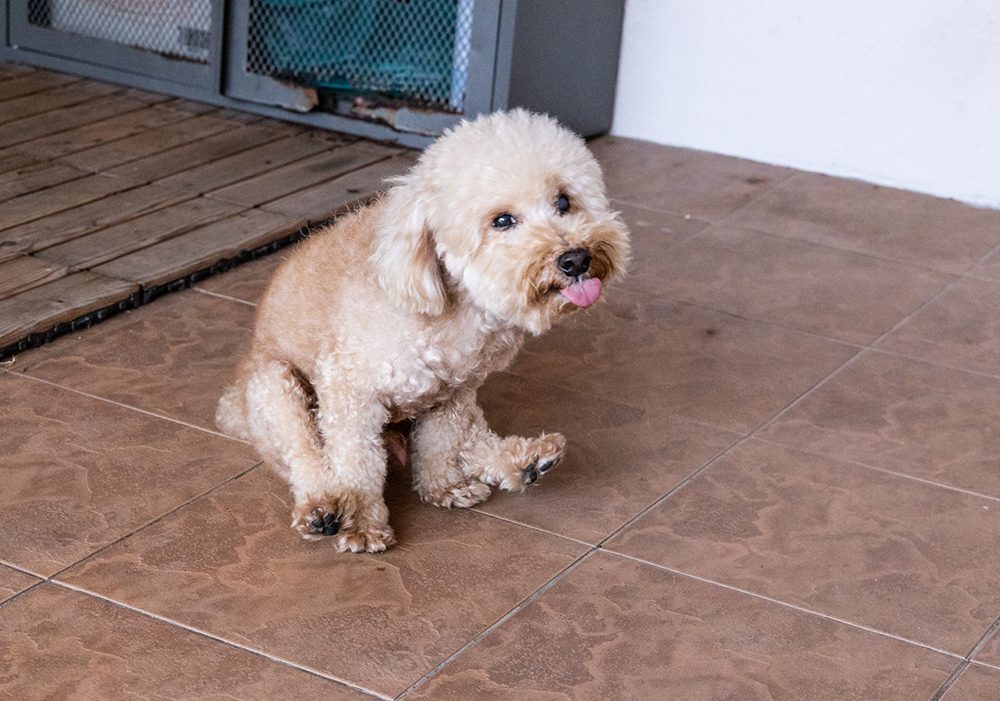
Why Is My Dog Scooting Their Butt on the Carpet?
Dog scooting usually means your dog feels itching, irritation, or pressure around the rear end, and full or impacted anal glands are the most common cause. Intestinal parasites, allergies, and skin infections can also trigger the behaviour. While a dog…
Is Year-Round Heartworm Prevention Necessary in Winter?
No, year-round dog heartworm prevention isn’t necessary in Toronto. In Southern Ontario, heartworm is a seasonal issue, so heartworm prevention only needs to run from June through November. Testing begins in the third week of April, and preventives start on…
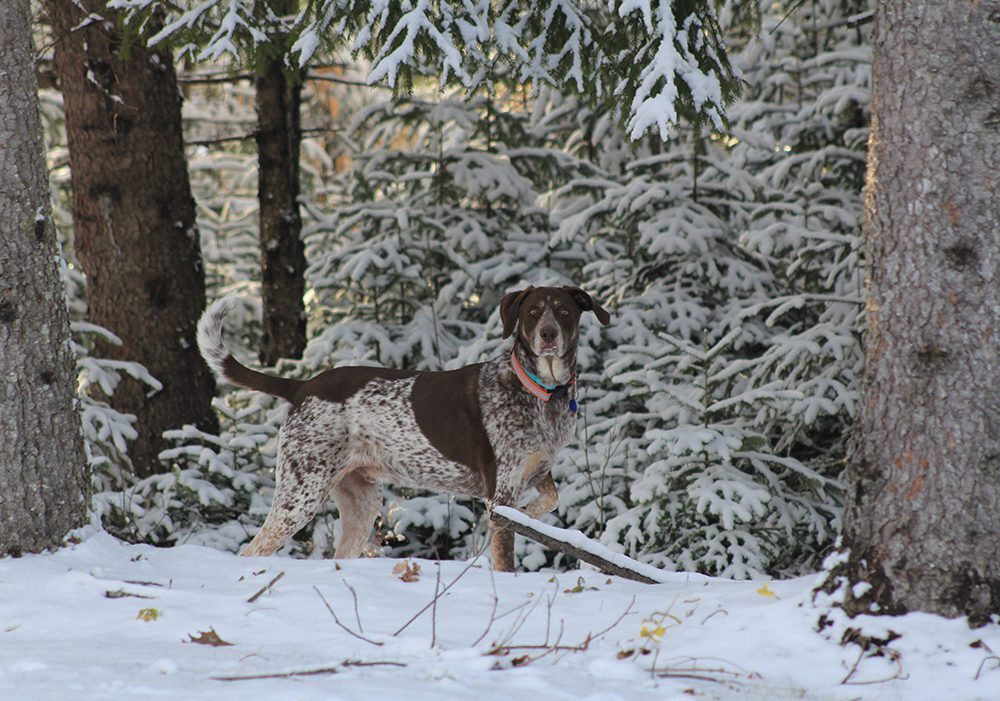
Can Dogs Get Ticks in the Winter?
Yes, dogs can get ticks in the winter. Blacklegged ticks, the species that spreads Lyme disease in Ontario, become active whenever temperatures climb above about 4°C, and Toronto sees plenty of those days between November and March. Many people picture…
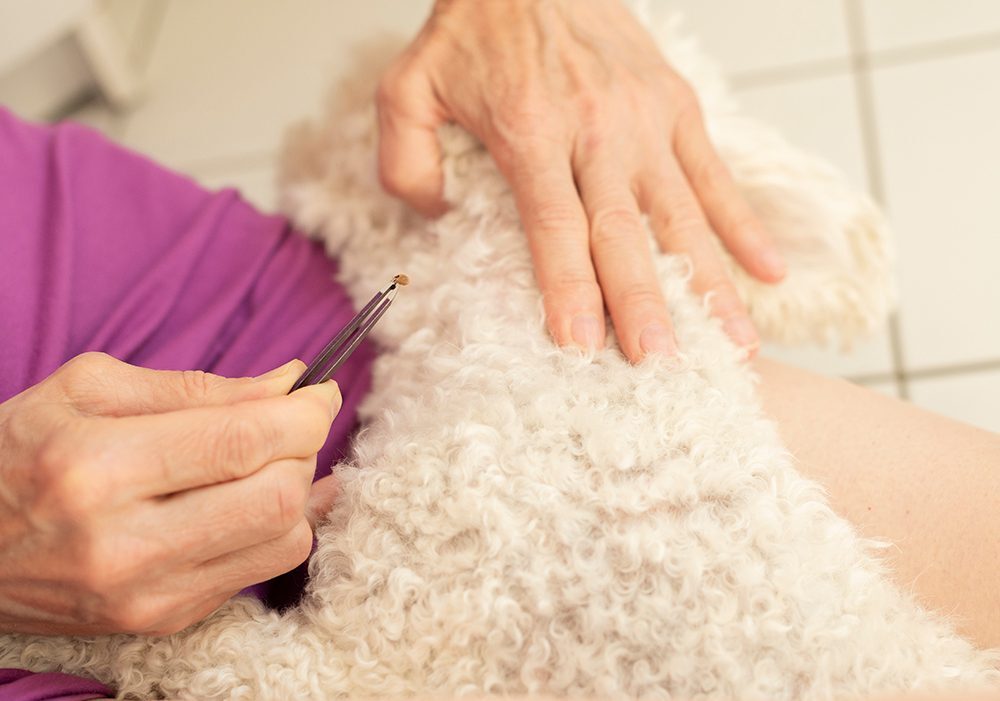
How Do I Safely Remove a Tick From My Dog Without Leaving the Head?
The safest way to remove a tick from your dog is to grasp it as close to the skin as possible with fine-tipped tweezers or a tick removal tool, then pull upward with slow, steady pressure without twisting or squeezing…
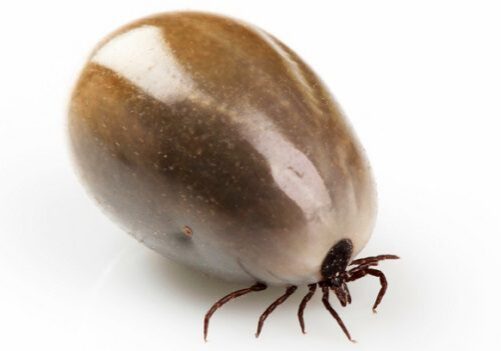
Ticks on dogs: Not so sexy.
Ticks seem to be a sexy topic these days. My in-depth online analysis (5 minutes of fiddling on Google) revealed that Canadians search for the word “tick” 3,600 times every month. “Flea” searches were a fair bit behind, at 2,900….

Evidence based medicine, Part 1: Why science makes me happy.
I may be a veterinarian, but first and foremost, I am a scientist. Since my first day of high school, when Mr. Palanacki exploded a balloon filled with hydrogen and oxygen and scared the bejeezus out of us, I was…
Evidence based medicine, Part 2: Pills, potions and placebos.
Once upon a time, when I was a fresh-faced new grad, a client brought in her new puppy to see me. She had adopted the puppy from a breeder a couple weeks prior, and things were going splendidly at home….

How Can I Tell If My Dog Has Fleas Or Just Dry Skin?
The easiest way to tell if your dog has fleas or just dry skin is to look closely at the skin and coat itself: fleas leave behind visible signs like small dark specks of flea dirt, live insects, or clusters…
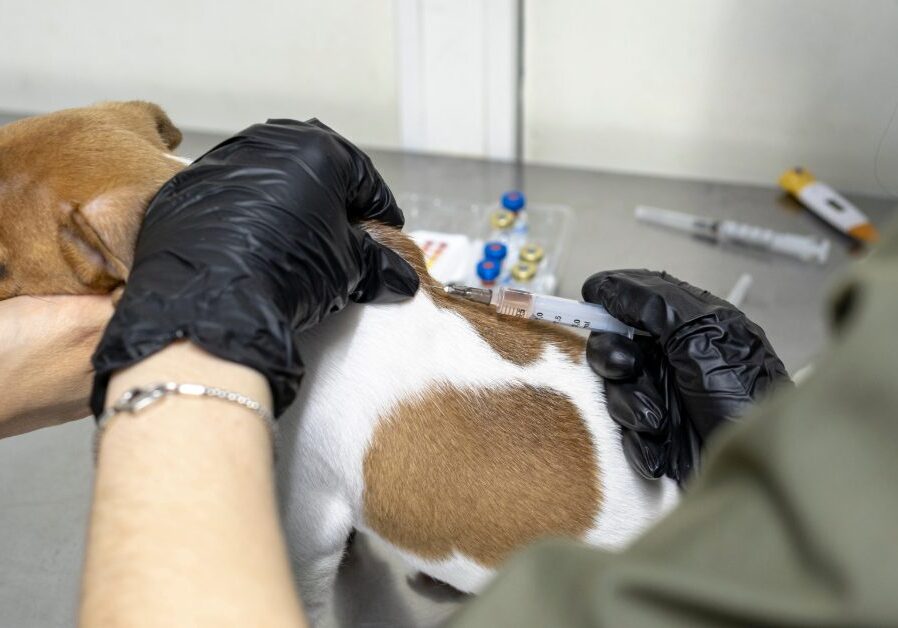
What Vaccines Does A Puppy Need In Their First Year?
A puppy needs a series of core vaccines, including distemper, parvovirus, adenovirus, and rabies, delivered in multiple rounds between roughly 6 and 16 weeks of age, with additional non-core vaccines added based on lifestyle and regional risk in their first…
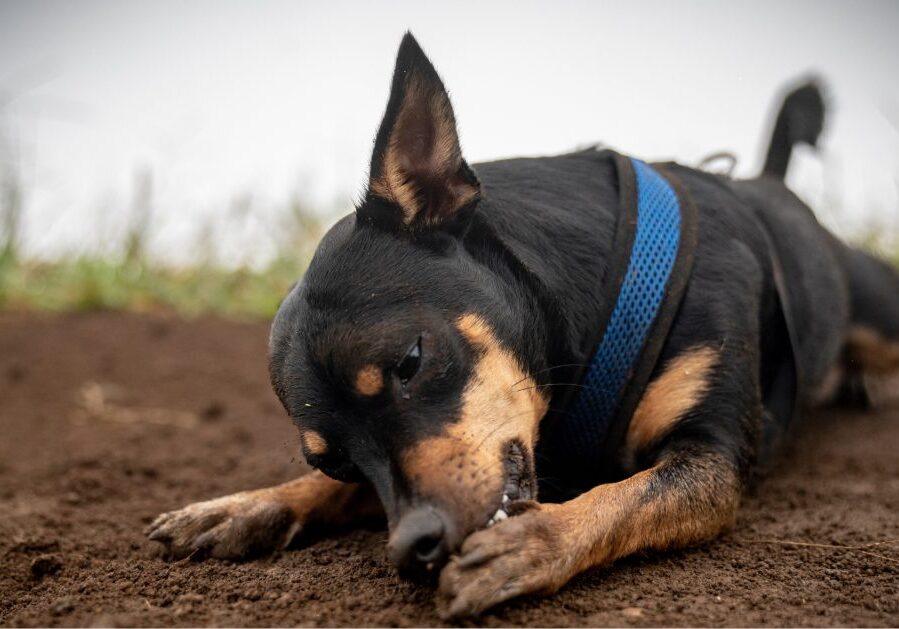
Why Is My Dog Constantly Licking And Chewing His Paws?
Dogs who are constantly licking and chewing their paws are almost always responding to itchiness, irritation, or discomfort somewhere on or between their toes, and the most common culprits are allergies, whether environmental or food-related. Paw licking might look like…