

Cat and dog teeth cleaning helps protect pets from dental disease that can cause gum inflammation, oral pain, loose teeth, infection, and difficulty eating. Many dental problems develop where you cannot see them — under the gumline — so a quick peek at home rarely tells the whole story.
Yorkville Animal Hospital takes preventive dentistry seriously in Toronto, Ontario. Adult pet Wellness Plans include annual professional dental cleanings, and those plans are designed to provide routine preventive care at a 10% discount compared to regular retail fees. By investing in regular dental care, you not only save your pet’s teeth, but also some cash along the way.
If your pet’s breath enters the room before they do, or if it has simply been a while since their last dental exam, book a visit at (416) 923-8896.
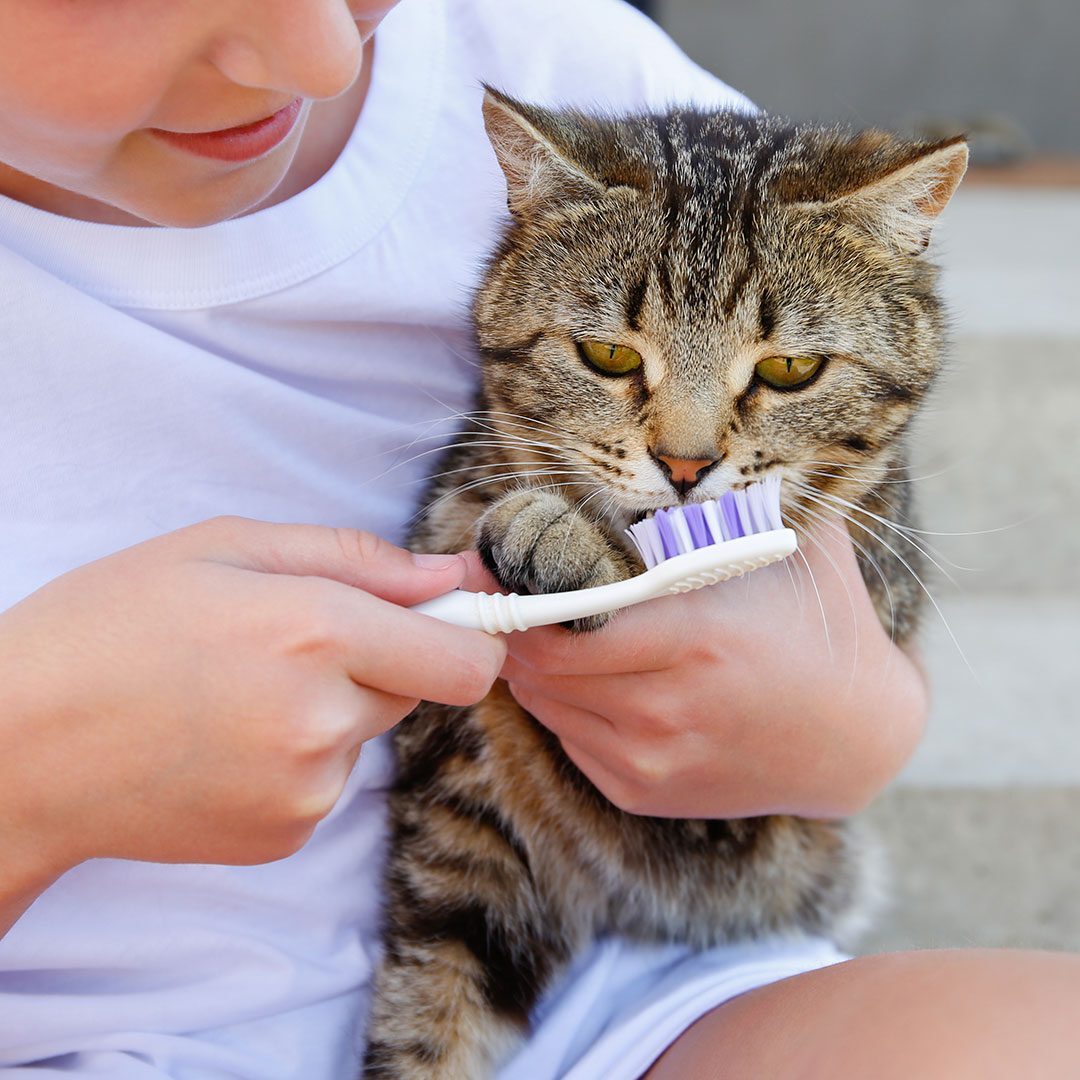
How Can I Tell If My Pet Has Dental Disease?

Dental disease can be sneaky. Some pets keep eating even when their mouths are painful, partly because pets are resilient and partly because dinner remains a major life priority.
Signs of dental disease may include:
Bad breath
Yellow or brown tartar on the teeth
Red, swollen, or bleeding gums
Drooling
Pawing at the mouth
Chewing on one side
Dropping food
Changes in appetite
Loose or missing teeth
Swelling around the face or jaw
Quietness, irritability, or behaviour changes
Many pets show very few obvious signs, even with significant disease. That is why regular oral exams and dental cleanings matter: they help identify problems before they become painful, infected, or more involved to treat.
What Happens During My Pet’s Professional Dental Cleaning?

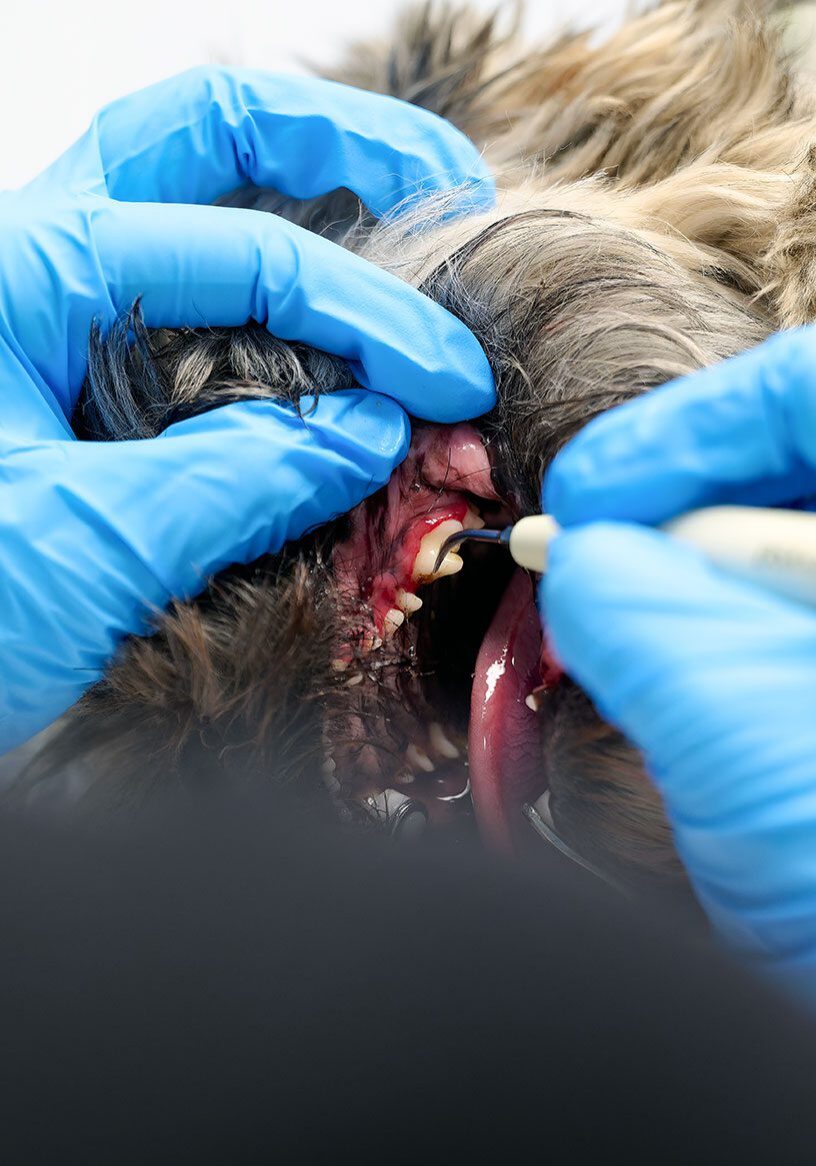
A professional pet teeth cleaning is much more than scraping visible tartar. It is a medical procedure performed under anaesthesia so the teeth, gums, and areas below the gumline can be properly assessed and cleaned.
During your pet’s dental cleaning, care may include:
A pre-anaesthetic assessment
Hospitalization for the dental procedure
Anaesthesia and monitoring
IV fluids
Full-mouth dental X-rays
Scaling above and below the gumline
Polishing the teeth after scaling
Review of findings and treatment recommendations
Dental X-rays are especially important because they allow our veterinarian to assess the parts of the teeth and jaw that cannot be seen during a visual exam. Root disease, bone loss, fractured teeth, and other painful problems may be hidden below the surface.
Yorkville’s adult Wellness Plan dental cleanings include hospitalization, anaesthesia, IV fluids, dental X-rays, scaling, and polishing. Periodontal treatment, extractions, or additional dental procedures are billed separately when needed.
The Importance of Routine Preventive Dentistry
Dental care is easier on your pet when it happens before the mouth turns into a renovation project.
Routine professional cleanings help remove plaque and tartar before periodontal disease becomes more advanced, potentially harming the heart, liver, and kidneys. This can help protect your pet’s comfort, reduce chronic inflammation, and lower the chance that your pet will need more involved treatment later.
Yorkville’s Wellness Plans make this easier to plan for because annual professional dental cleanings are included in all adult pet plans. The cost benefit matters too. Wellness Plans are structured with monthly payments and a 10% discount compared to regular retail costs, which can make preventive dental care easier to schedule before it becomes urgent.
What Should I Expect After My Pet’s Dental Cleaning?
Most pets go home the same day after a routine dental cleaning, once they are awake and ready. They may seem sleepy from anaesthesia, and their mouth may be a little tender, especially if additional treatment was needed.
Before your pet goes home, we’ll review:
What was found during the cleaning
Whether dental X-rays showed hidden concerns
Any treatment performed
Feeding instructions for that evening
Medications, if prescribed
Activity guidance after anaesthesia
When to return for follow-up, if needed
If extractions or periodontal treatment were performed, recovery instructions may be more specific. We’ll explain what is normal, what deserves a call, and how to keep your pet comfortable at home.
Keep Dental Care From Becoming a Bigger Job Later
Dental disease is common, but it does not have to be ignored until your pet is uncomfortable. Regular dental exams, professional cleanings, dental X-rays, and home care can help keep your pet’s mouth healthier and catch problems earlier.
Give us a call at (416) 923-8896 to book your pet’s dental exam, or ask us about Wellness Plans that include annual professional dental cleaning for adult pets.